Regeneration of Landscapes and Livelihoods Logo Regeneration of Landscapes and Livelihoods
Regeneration of Landscapes and Livelihoods - Lesotho

Upcoming Events

Stay informed about workshops, meetings, and community activities.

See all events
No upcoming events at the moment. Please check back soon.

Featured Videos

Explore our documentary clips, field missions, and project insights.

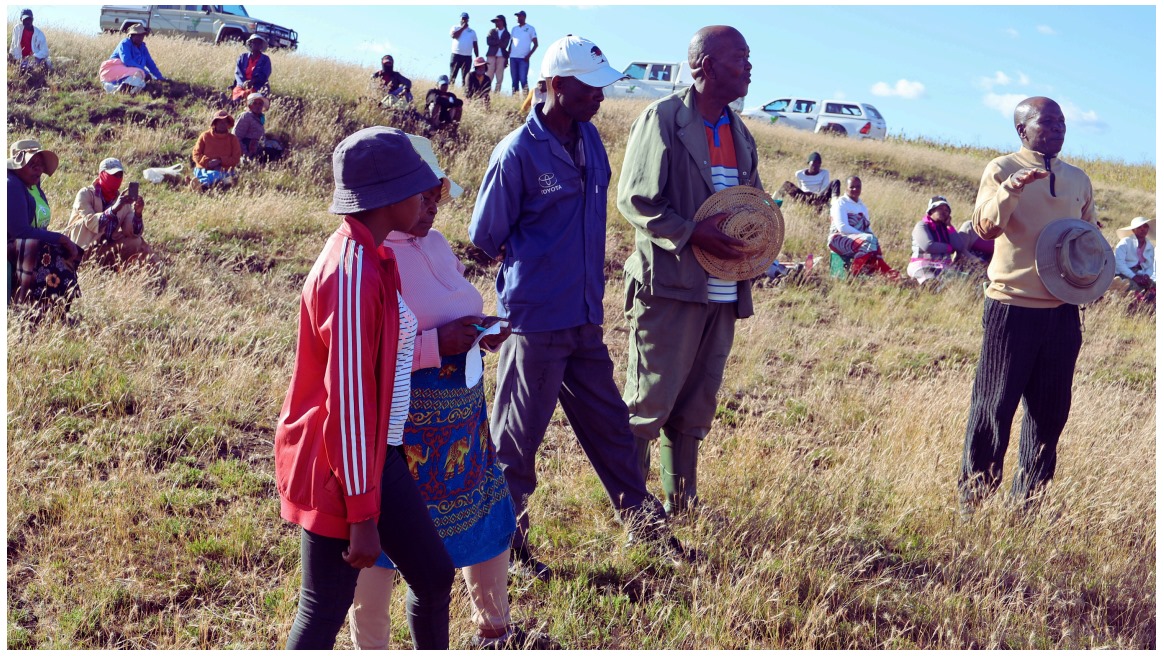
Positive Deviance Training, Mafik'a-Lisiu, Butha-Buthe by the ROLL project

No description
Food Preservation Training by ROLL - Thaba-Tseka

The Regeneration of Landscapes and Livelihood Project held a food preservation training for representatives of Regeneration Coalitions in the Mashai and Mantsonyane sub-catchments aimed at equipping participants with skills in food preservation techniques to mitigate food waste, enhance nutrition, and cultivate economic opportunities.

Climate change impact in Lesotho.

Frequently Asked Questions

Your quick guide to ROLLโ€™s goals, processes, and participation.

ROLL will directly support 100,000 people, reaching an estimated 340,000 household members, of whom 40% will be women and 20% youth. The project will target around 1,000 villages, working with one coalition per village made up of approximately four groups (e.g., grazing associations, womenโ€™s savings groups, herdersโ€™ groups, nutrition clubs). The primary beneficiaries are vulnerable rural households living within the selected catchment areas.
The ROLL Project is a collaborative effort led by the Government of Lesotho and supported by the International Fund for Agricultural Development (IFAD), OPEC Fund for Development (OPEC) and the Global Environmental Fund (GEF). Running from 2022 to 2030, this project is dedicated to improving the environmental and socio-economic conditions of rural communities in Lesotho.
The project operates across six districtsโ€”Thaba-Tseka, Butha-Buthe, Leribe, Qachaโ€™s Nek, Quthing, and Bereaโ€”reaching approximately 1,000 villages. These villages are distributed across 17 selected sub-catchments that encompass a wide range of natural resource areas, including grazing and rangelands, forests, croplands, wetlands, and designated conservation areas.
To encourage the adoption of sustainable resource use practices that support the long-term health of landscapes.
To reduce environmental degradation by implementing initiatives to protect natural resources and reduce soil and land degradation.
To improve livelihoods by providing rural communities with tools and training for better economic and nutritional outcomes.
To establish facilities for landscape regeneration by developing a fund to support ongoing restoration and management of rural landscapes.